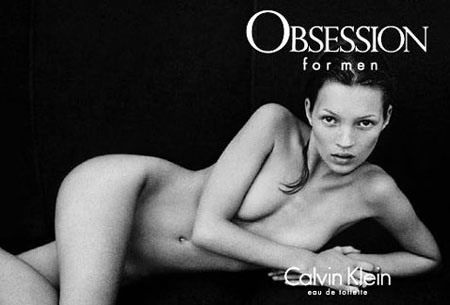
Laura Mulvey theory
Laura Mulvey has two different viewpoints on music videos.
One being the male gaze theory suggests that the camera/ audience always
represent a heterosexual man’s perspective of the scene objecting women.
Another part of her male gaze theory suggests that women are
only portrayed as one of the possible two things, - virginal innocent character
or a ‘whore’. This is called the virgin/ whore dichotomy.
The concept of gaze is one that deals with how an audience
views the people presented. For
feminists it could be thought in 3 ways:
-How men view women
-How women view themselves
-How women view other women.
The camera lingers on the curves of the female body, and the
events which occur to women are presented largely in the context of a man’s
reaction to these events. Relegates women to the status of objects even if it’s
a female director or photographer it is still always a males gaze view of the
women.


Genres that support her theory.
Rap music - it’s an old age debate that women get no respect
in the hip-hop industry, in many cases, this is true. ‘Bitch’, ‘Ho’ is just the
few of the slanderous terms rappers refer to ladies as frequently, consistently
talking about nasty things they’d do to their girl or want to do to another.
In the song ‘Birthday Song’ by 2 Chainz & Kanye west he
uses repetition throughout the chorus ‘All I want for my birthday is a big
booty hoe’ the most common theme of misogyny found in hip hop videos today is the objectification of women. women are ever so often there as mere sexual objects, dancing provocatively in revealing clothing, demonstrating sexual innuendos satisfaction.


On the other hand pop music artists like one direction and Justin bieber portray women in a different sense. In the chorus of one direction 'You don't know your beautiful' number one hit, they sing 'baby you light up my world like no body else, ' if you only you saw what i can see', they portray women as a beautiful lady and are very respectable towards there lover/girl.
Complete opposite of the way rappers/hip hop artists speak about there women.

Laura mulvey has two different perspectives on how women are viewed and i think both of these artists and music songs/video has show her theory from two different perspectives.